Members
The Help Is Right Here:
Oklahoma Treatment Services
The following article appeared in the print issue of Ponca City Monthly magazine, which includes hyperlocal stories about Ponca City. Get full access to all online articles, videos, and content by becoming a paid subscriber. We offer free and paid subscription plans. Find rack locations to pick up your free print copy here, or subscribe here to get online access plus exclusive content.
“It does not matter how slowly you go as long as you do not stop. “~ Confucius
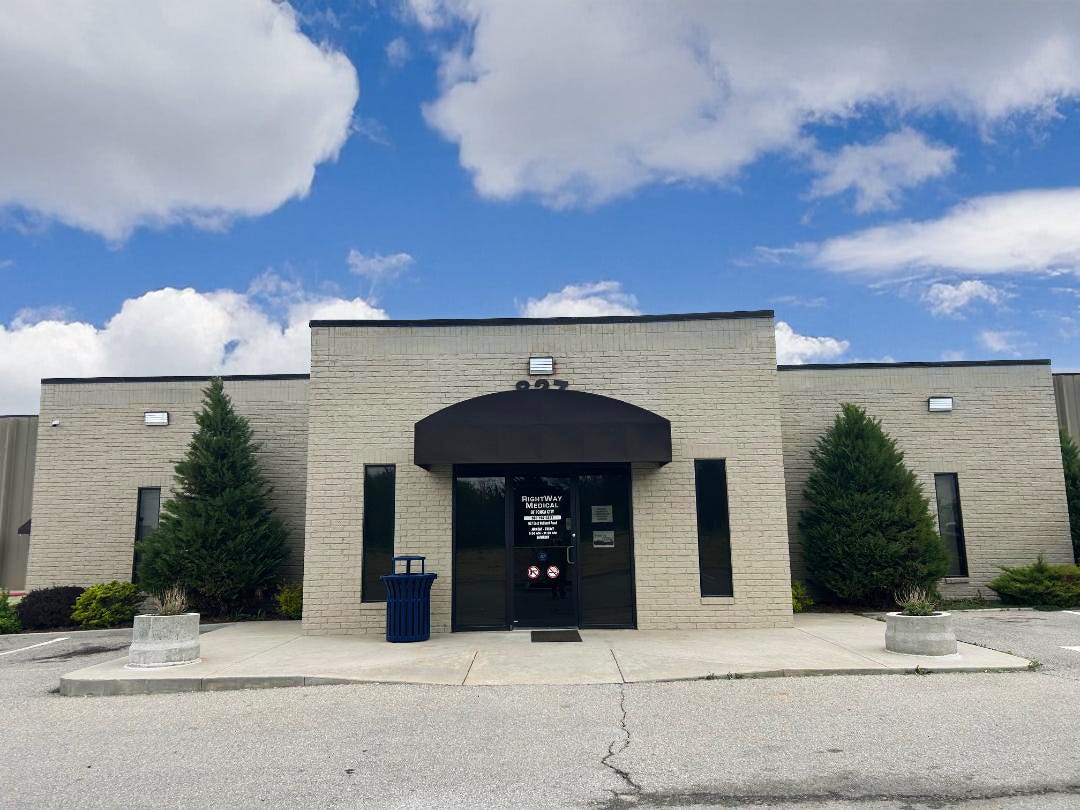
The problem is real, and many in our surrounding community suffer from opioid addiction without realizing there is a treatment center right here in Ponca City. Even though there are not enough Opioid Treatment Programs (OTPs) in Oklahoma to help the numerous rural areas, Ponca City has a gem of a center that serves many patients with a lean staff, and that center has been at work in our community since 2016.
Oklahoma Treatment Services LLC is a widely known program found throughout Oklahoma. There are locations in Bartlesville, McAlester, Oklahoma City, Roland and Tulsa, as well as Ponca City. The same company owns treatment centers in Colorado, Texas, Florida, New Mexico, North Carolina and Georgia, too. The clinic is found in the Rightway Medical Building on Hubbard Road.
With the need for this type of treatment rising in our state, it is no wonder they find themselves filling a need for many individuals. According to the Oklahoma.Gov website, the rate of unintentional drug overdoses in Oklahoma decreased 20% from 2016 to 2019, but turned around and increased 129% from 2019 to 2023. In addition, “methamphetamine overdose deaths increased nearly 21-fold from 2007 to 2023 from 39 to 813 deaths.” Many of us have heard about the issues with the drug fentanyl, and it was “involved in 90% of opioid-related overdose deaths in 2023, compared to approximately 10-20% annually prior to 2020.” The issue is real, and it’s a life-and-death one for many families in this state.
Program Director Jessica Driggers has been with Ponca City’s center for three years and says, “Our primary mission is to strive to provide hope for our patients so they can live full, productive and stable lives.” She is passionate about patient care, and the staff at the center help individuals in a variety of ways. They not only look at the medication dosing needed to help individuals overcome their addiction, but they also may assist them with resumes for job interviews, securing a primary care physician and doctors to meet their medical, dental and mental health needs, and even organizing a budget. Being part of more than just medical needs helps the case managers assist patients to determine their triggers and barriers to healthy living, which is an important step in overcoming addiction.
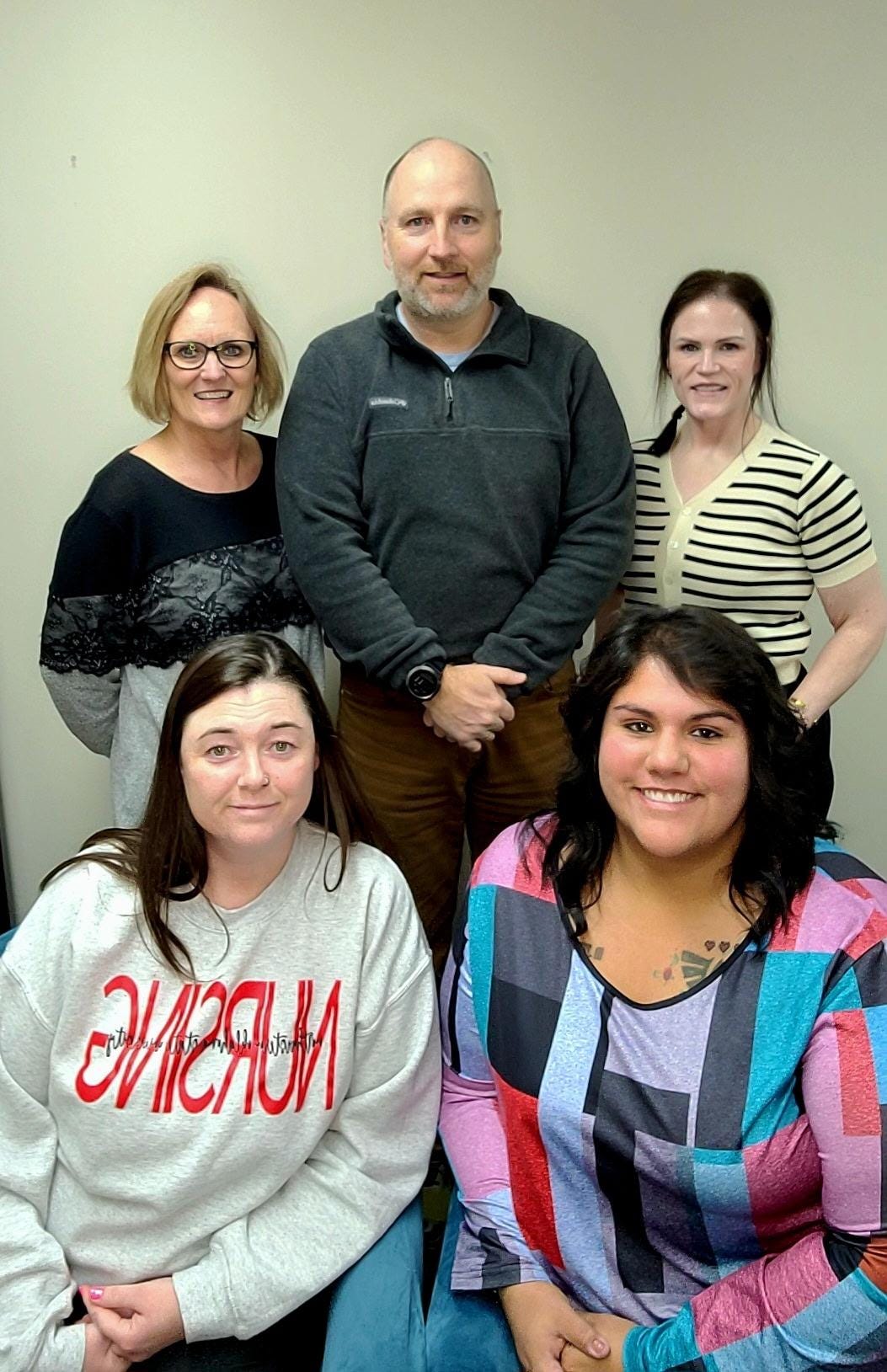
The staff at the local center consists of six individuals: two case managers (one of which is Driggers, who has double duty), an administrative assistant, a dosing nurse who distributes the medications, a physician assistant and the medical director. Six members are on the staff, and they serve a current census of 172 patients, who are all seen at least once a month, while many are more frequent. The number of times they come each month depends on their success in keeping off the drugs. To obtain their meds, either methadone or suboxone used to treat narcotic dependence, patients take UA (urine analysis) tests to determine if they can receive more than one dose at a time. Their success leads to more trust with their treatment, because case managers and the others working at the center want to be available for the help patients require, and each person is different as they try to beat addiction.
While it may seem odd, the best scenario for beginning is for new patients to come in after 12-24 hours not using. This time span off the drugs and beginning or going through withdrawal assists those working at the clinic to better determine the meds needed to help individuals and what other help may be needed. The nurse will do the intake, and the doctor will diagnose medication needs. Intakes occur on Mondays, Wednesdays and Fridays at 5 a.m. The program is completely voluntary, and most individuals come on their own after having heard about the program from their peers. Driggers says they are open, however, to work with willing referrals from physicians or clinics in town to collaborate for patients. Currently, they even receive patients from Arkansas City, Stillwater, Enid and surrounding areas. She says there are no OTP clinics on the west side of Oklahoma.
Driggers believes the outpatient nature of their treatment is beneficial to their patients. “Patients are able to tend to their everyday lives, while also being in treatment. This also allows patients and their case managers to really address any triggers and barriers in real time and ultimately utilize their coping skills daily.” She explains that those with supportive people in their lives continue to have that nurturing as they make progress, while at the same time having real-life difficulties to address with their case manager.
To keep up with patient progress and procedures at the clinic, Driggers meets weekly with the team to discuss any policy or protocol changes and assess any issues that may have occurred with patients. The group considers the best approach to helping patients in recovery and what resources they can utilize to help. The local clinic is much more than only a location to receive medication.
Although there are many challenges in the positions of these staff members, there are also many elements they find rewarding. Their patients often feel judged by others in town and even by their families at times. Driggers and the staff listen without judgment. They know beating addiction is extremely difficult. They build relationships so that patients realize they can be truthful about where they are in their addiction. They know sometimes the move from addiction is slow. Driggers says, “Progress is progress, no matter how small.” She mentions that sometimes it is a negative UA, and other times it is when a patient is finally truthful about their addiction, which is not always easy for them after the feelings of judgment. “The best treatment comes when everyone is honest,” she explains.
As relationships build, patients are more and more apt to take advice given. The staff celebrates these successes, and the success boosts patients’ self-esteem as they have them. It is always good to hear about a new job or even a good interview that occurred. Each successful step leads to the confidence to strive for more of them. Driggers even says, “When they discuss struggling to stay clean and make good choices, I tell them to imagine a little Jessica on their shoulder.” It’s a solid way to help them slow down and consider the right choice for their lives.
Oklahoma Treatment Services works to eliminate the barrier people have when needing treatment. Driggers says, “We have a very caring team that is passionate about patient care.” The team knows it is a tough road, but as patients become more stable in their treatment, they can become more confident in themselves, and that is where the hope this staff desires to provide them comes to fruition.
While intake is Monday, Wednesday and Friday at 5 a.m., this team is available to see patients Monday through Friday until 11 a.m. They are located at 827 East Hubbard Road. The phone number is 580-762-3217, and their website is oktreatment.com. You can also find them on Facebook under Rightway Medical Ponca City. If you or someone you care about is currently fighting opioid addiction or wants to fight their addiction, this is a place for them to begin life anew. This staff is most certainly in the business of providing hope
➡️ Opt in or out of different newsletters on your “My Account” page.
➡️ Learn more about Ponca City Monthly+
Ponca City Monthly is a locally owned publication that delivers hyperlocal news in print and online.
Like what we are doing? Feel free to forward this along and tell a friend.
Sponsorship information/customer service: email editor@poncacitymonthly.com